can ketosis cause metallic taste in mouth Ketosis cause
Can Diabetes Cause a Metallic Taste in the Mouth? If you have ever experienced a metallic taste in your mouth, you know how unpleasant it can be. It’s a strange sensation that can interfere with your enjoyment of food and drinks. But did you know that this metallic taste could also be a sign of an underlying medical condition, such as diabetes? Diabetes is a chronic condition that affects the body’s ability to produce or use insulin, which is essential for regulating blood sugar levels. While most people are familiar with the common symptoms of diabetes, such as frequent urination, excessive thirst, and unexplained weight loss, a metallic taste in the mouth is less well-known but can still be an indicator of the condition. When diabetes is not properly managed, high levels of glucose can accumulate in the blood. This excess glucose can affect various parts of the body, including the mouth. One of the possible causes of a metallic taste in the mouth for people with diabetes is the presence of ketones. Ketones are produced when the body doesn’t have enough insulin to convert glucose into energy and starts breaking down fat for fuel instead. As a result, ketones build up in the blood and can cause a metallic taste in the mouth. This phenomenon is more common in people with uncontrolled diabetes or those experiencing diabetic ketoacidosis (DKA), a serious complication of the condition. If you have diabetes and notice a metallic taste in your mouth, it’s essential to monitor your blood sugar levels closely. Elevated levels of ketones can be a sign of uncontrolled diabetes or DKA, which requires immediate medical attention. Managing your diabetes through medication, dietary changes, and lifestyle modifications can help prevent the buildup of ketones and reduce the likelihood of experiencing a metallic taste in your mouth. However, it’s important to note that a metallic taste in the mouth is not exclusive to diabetes. There are other factors that can cause this sensation as well. Let’s explore some of the common reasons you might get a metallic taste in your mouth and how to avoid it: 1. Medications: Certain medications, such as antibiotics, blood pressure drugs, and antidiabetic medications, can cause a metallic taste in the mouth as a side effect. If you suspect that your medication is the culprit, consult with your healthcare provider to explore alternative options or adjust the dosage. 2. Poor oral hygiene: Neglecting proper dental care can lead to a metallic taste in the mouth. Bacteria buildup, gum disease, or an oral infection can all contribute to this unpleasant sensation. Maintaining a good oral hygiene routine, including regular brushing, flossing, and dental check-ups, can help prevent this issue. 3. Vitamin or mineral deficiencies: In some cases, a metallic taste in the mouth can be a symptom of vitamin or mineral deficiencies, such as zinc or vitamin B12. Incorporating a balanced diet rich in fruits, vegetables, lean proteins, and whole grains can ensure you’re getting all the essential nutrients your body needs. 4. Pregnancy: Hormonal changes during pregnancy can sometimes cause a metallic taste in the mouth. This symptom is usually temporary and tends to resolve on its own after childbirth. 5. Acid reflux: Acid reflux occurs when stomach acid flows back into the esophagus, causing heartburn and other symptoms. In some cases, acid reflux can also lead to a metallic taste in the mouth. Making dietary modifications, avoiding trigger foods, and practicing good eating habits can help alleviate this symptom. To conclude, a metallic taste in the mouth can be a potential indicator of diabetes, especially when combined with other symptoms. If you have diabetes and experience this taste, it’s crucial to monitor your blood sugar levels and consult with your healthcare provider. Remember, managing your diabetes through proper medication, diet, and lifestyle choices is key to preventing complications and ensuring overall well-being. Additionally, be aware that other factors, such as medications, poor oral hygiene, nutrient deficiencies, pregnancy, or acid reflux, can also contribute to a metallic taste in the mouth. If you are concerned about this symptom, it’s always best to seek medical advice. Your healthcare provider can help determine the underlying cause and develop an appropriate treatment plan tailored to your specific needs.
If you are searching about Can Diabetes Cause Metallic Taste in Your Mouth? | MetaQil you’ve came to the right page. We have 5 Pics about Can Diabetes Cause Metallic Taste in Your Mouth? | MetaQil like 5 Reasons You Get a Metallic Taste in Your Mouth (And How to Avoid It), How to Get Rid of a Metallic Taste in Your Mouth | Top 10 Home Remedies and also 5 Reasons You Get a Metallic Taste in Your Mouth (And How to Avoid It). Read more:
Can Diabetes Cause Metallic Taste In Your Mouth? | MetaQil
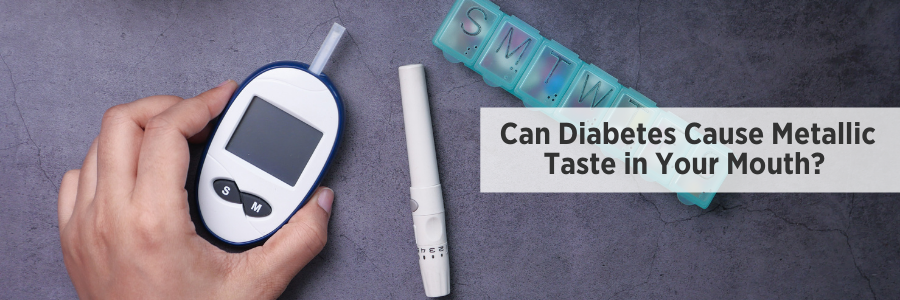 metaqil.comCan Ketosis Diet Cause Depression?
 www.vimchi.infoketosis cause
5 Reasons You Get A Metallic Taste In Your Mouth (And How To Avoid It)
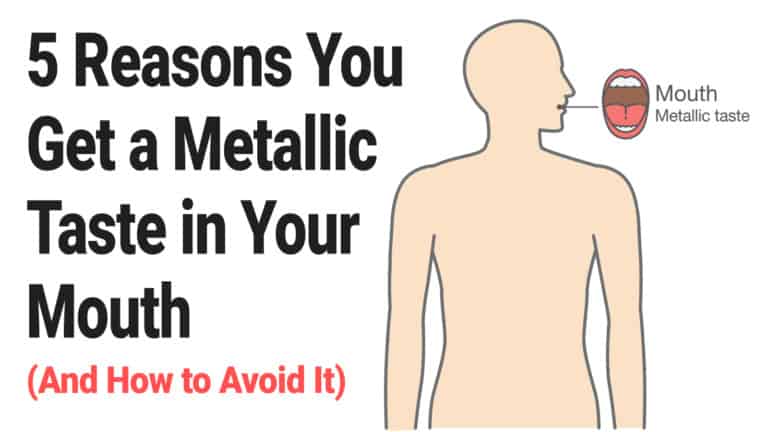 www.powerofpositivity.comHow To Get Rid Of A Metallic Taste In Your Mouth | Top 10 Home Remedies
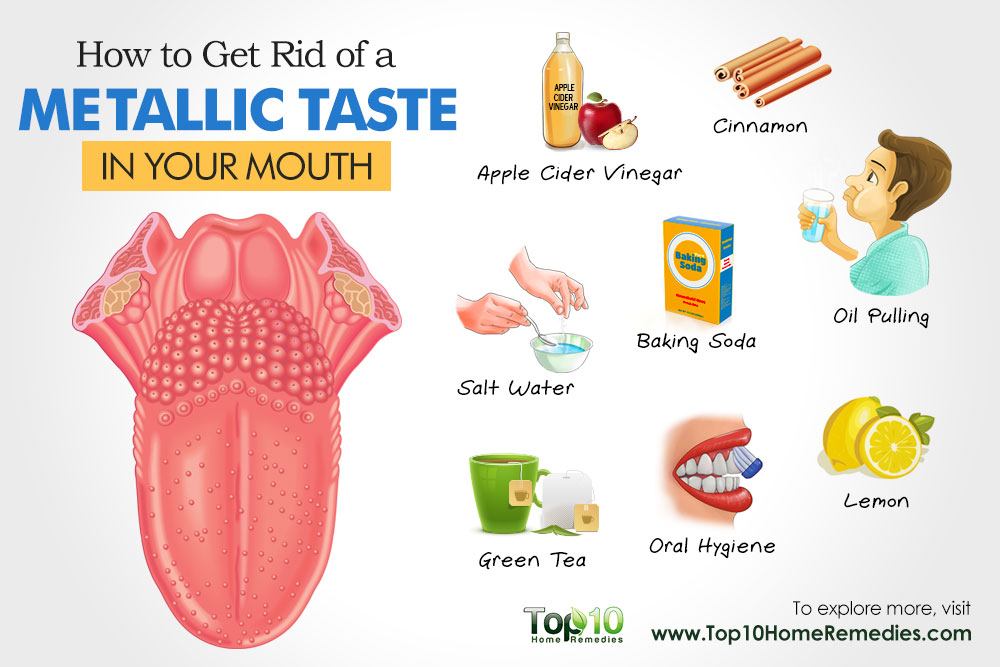 www.top10homeremedies.comtaste mouth metallic rid metal remedies treatment tastes bitter throat dry causes bad top10homeremedies if tasting food visit ways choose
Can Diabetes Cause A Metallic Taste In The Mouth? - Healthline
 abilitytoday.comcause healthline
How to get rid of a metallic taste in your mouth. Can ketosis diet cause depression?. Can diabetes cause a metallic taste in the mouth?