what carbs are good for fatty liver Cutting back on carbs could help treat fatty liver disease
Today, we want to talk about the fascinating world of amino acids and their benefits for our overall health and well-being. Amino acids are the building blocks of proteins, which are essential for numerous bodily functions. Let’s delve into this topic and explore some insightful information!
Pin on Amino Acids
 Amino acids play a crucial role in our body’s structure and function. They are involved in various physiological processes, including muscle growth and repair, enzyme production, and hormone regulation. There are 20 different amino acids that our body needs to function optimally, and each one has a specific role to play.
One of the key benefits of amino acids is their role in muscle building and recovery. When we engage in physical exercise, our muscles undergo stress and micro-tears. Amino acids, particularly branched-chain amino acids (BCAAs), help repair and rebuild these damaged muscle tissues, promoting muscle growth and reducing recovery time.
Amino acids also play a vital role in the production of enzymes, which are catalysts for various chemical reactions in our body. Enzymes are necessary for digestion, metabolism, and the breakdown of nutrients such as carbohydrates, proteins, and fats. Without amino acids, the production of enzymes would be compromised, leading to imbalances and potential health issues.
Pin on Well.Org
 When it comes to overall wellness, amino acids play a significant role. They are involved in the production of neurotransmitters, which are essential for brain function and mental health. Neurotransmitters like serotonin, dopamine, and norepinephrine help regulate mood, emotions, and cognitive processes.
Furthermore, amino acids support the immune system by assisting in the production of antibodies that fight off harmful pathogens and bacteria. They also contribute to the synthesis of collagen, a protein that provides structure and strength to our skin, hair, nails, and connective tissues.
Incorporating amino acids into our diet is essential, as our body cannot produce all of them on its own. Good dietary sources of amino acids include lean meats, fish, dairy products, legumes, nuts, and seeds. However, for individuals with dietary restrictions or those who may require additional support, amino acid supplements are available as well.
In conclusion, understanding the role of amino acids in our body is crucial for maintaining optimal health and well-being. From muscle growth and recovery to brain function and immune support, these building blocks of proteins are essential players in numerous physiological processes. By ensuring we have an adequate intake of amino acids through our diet or supplementation, we can support our body’s natural functions and promote overall wellness.
If you are searching about How to Cut Carbs to Benefit Fatty Liver Disease - Fatty Liver Disease you’ve came to the right web. We have 5 Images about How to Cut Carbs to Benefit Fatty Liver Disease - Fatty Liver Disease like Pin on Well.Org, How to Cut Carbs to Benefit Fatty Liver Disease - Fatty Liver Disease and also Cutting back on carbs could help treat fatty liver disease. Here it is:
How To Cut Carbs To Benefit Fatty Liver Disease - Fatty Liver Disease
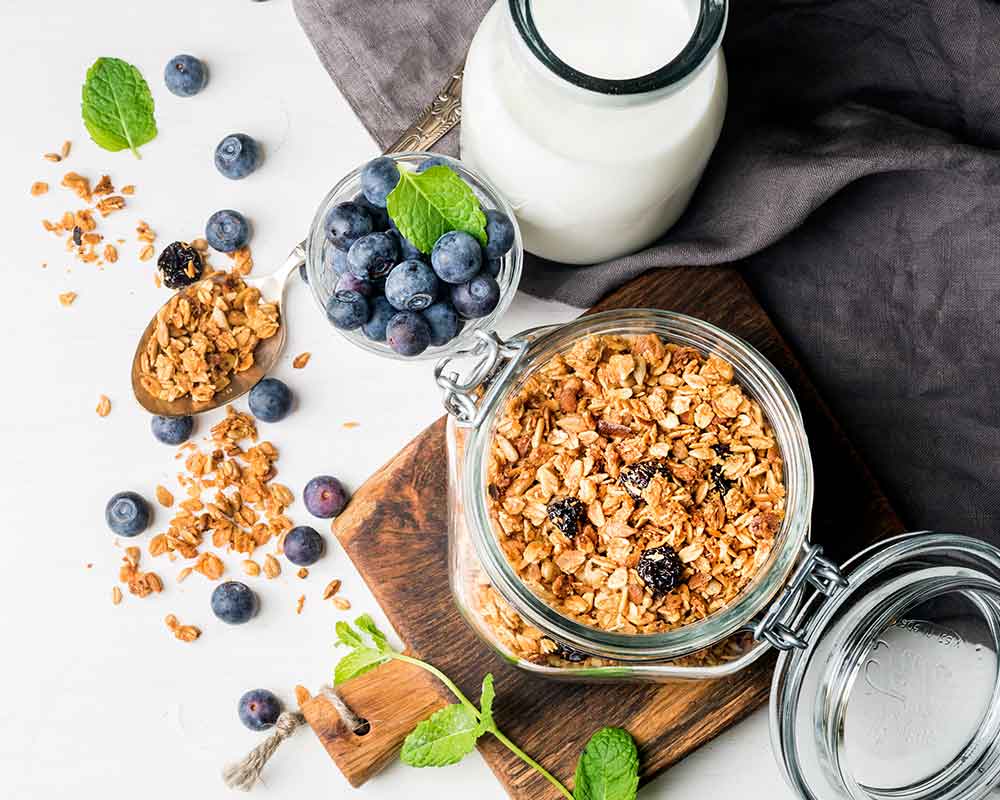 fattyliverdisease.comcarbs liver
Pin On Fatty Liver Diet
 www.pinterest.comfatty cirrhosis cleanse fegato cleansing kidneys digestive kidney cleansers nutrition vitamins depurare sodium nutrient veggies paleo
Pin On Amino Acids
www.pinterest.comliver fatty diet cleanse aminoco
Pin On Well.Org
www.pinterest.comcarbs
Cutting Back On Carbs Could Help Treat Fatty Liver Disease
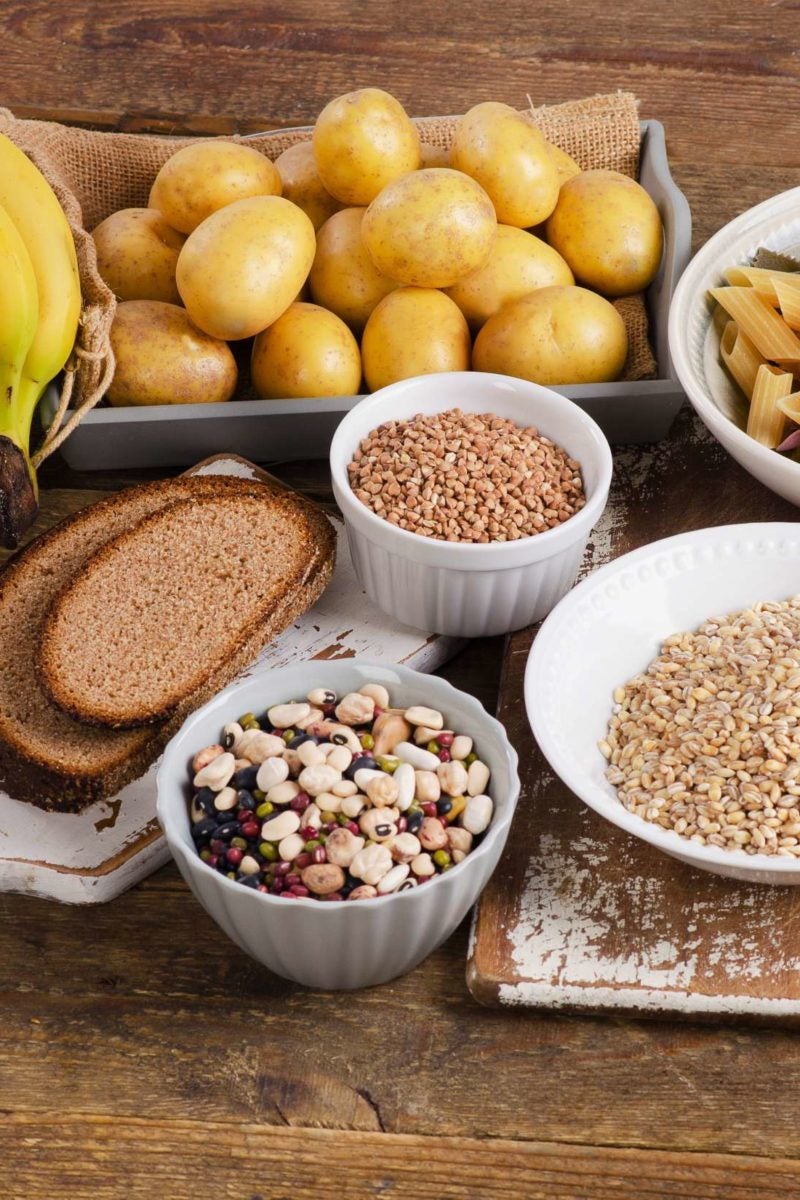 www.medicalnewstoday.comcarbs
Pin on amino acids. How to cut carbs to benefit fatty liver disease. Liver fatty diet cleanse aminoco