what to eat after a juice fast What should you eat after a juice cleanse fast
Juice fasting has become increasingly popular in recent years as a way to detoxify the body and promote weight loss. It involves consuming only freshly pressed fruit and vegetable juices for a set period of time, usually ranging from a few days to a week or more. While some people use juice fasting as a quick fix to shed pounds, it is also touted for its potential health benefits.
The Benefits of Juice Fasting
Proponents of juice fasting claim that it can provide a wide range of benefits, including improved digestion, increased energy levels, clearer skin, and a strengthened immune system. By consuming only liquid fruits and vegetables, you give your digestive system a break from processing solid food, allowing it to focus on healing and repairing tissues throughout the body.
 Juice fasting is also believed to help detoxify the body by flushing out toxins and reducing inflammation. The high levels of antioxidants and phytochemicals present in fresh juices can help neutralize harmful free radicals and protect against oxidative stress. This can have a positive impact on overall health, reducing the risk of chronic diseases such as heart disease, diabetes, and cancer.
What to Eat After Juice Fasting
After completing a juice fasting period, it is important to reintroduce solid foods gradually to avoid shocking your system. Ideally, you should start with easily digestible foods such as soups, smoothies, and steamed vegetables. These foods provide essential nutrients while allowing your digestive system to continue its healing process.
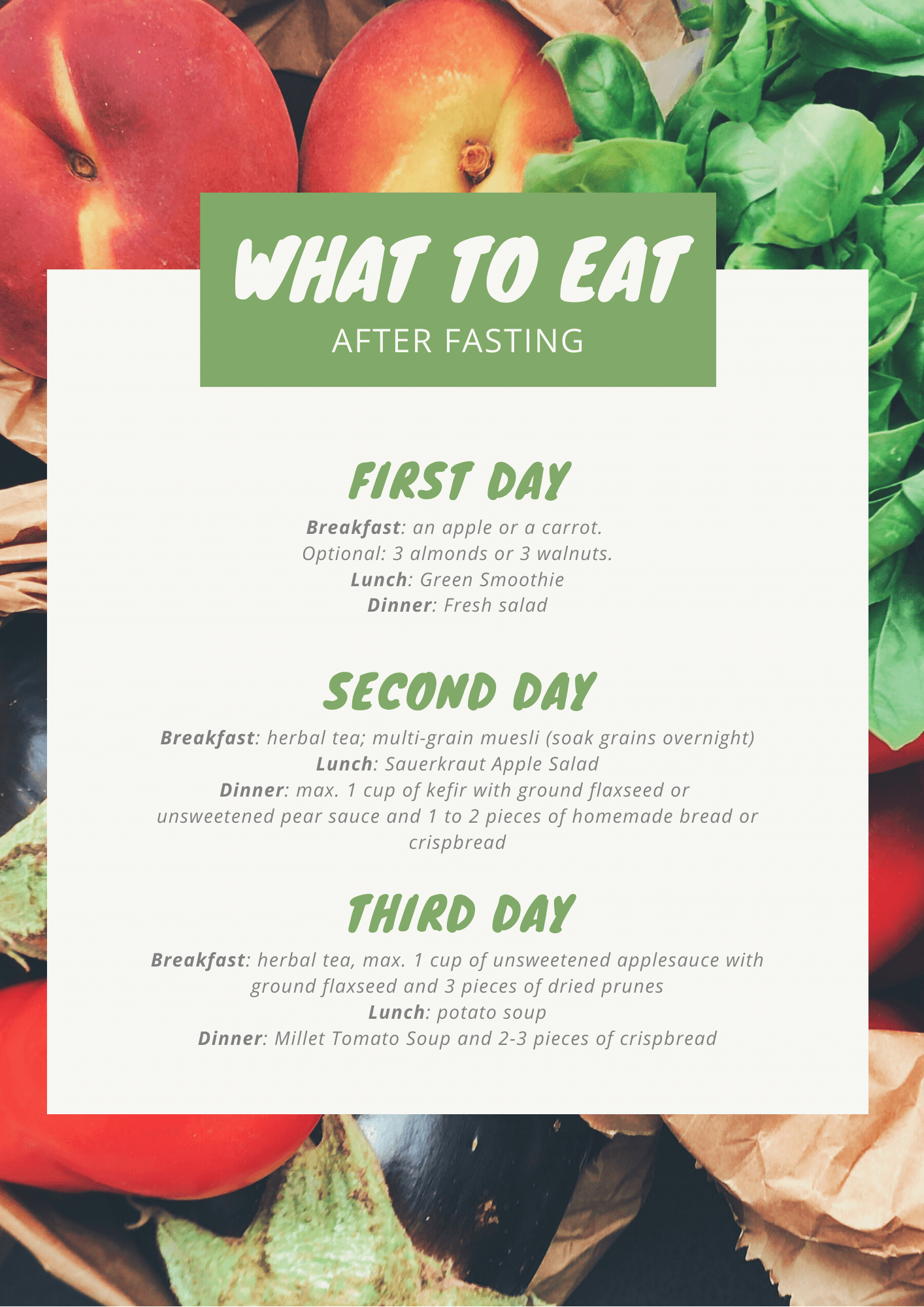 Foods rich in fiber, such as whole grains, legumes, and fresh fruits and vegetables, should be incorporated into your post-juice fasting diet. These foods help promote healthy digestion and prevent constipation which can be common after a juice fast. It is also important to drink plenty of water to stay hydrated and aid in the elimination of toxins.
While juice fasting can offer numerous health benefits, it is essential to approach it with caution and consult with a healthcare professional before starting. Certain individuals, such as those with diabetes or underlying health conditions, may need to modify or avoid juice fasting altogether.
In conclusion, juice fasting can be a valuable tool for detoxification and weight loss when done correctly and under the guidance of a healthcare professional. By providing your body with a concentrated dose of essential vitamins, minerals, and antioxidants, you can give your digestive system a break and promote overall well-being. Just remember to reintroduce solid foods gradually after the fasting period and prioritize a diet rich in whole foods to maintain optimal health.
If you are looking for A great help when you feel the need to “eat” but are not really hungry you’ve visit to the right web. We have 5 Pics about A great help when you feel the need to “eat” but are not really hungry like What Should You Eat After a Juice Cleanse Fast - JuiceCleanse.com, What I ’eat’ in a day while juice fasting - Vegan on juices | Juice and also What Should You Eat After a Juice Cleanse Fast - JuiceCleanse.com. Read more:
A Great Help When You Feel The Need To “eat” But Are Not Really Hungry
 www.pinterest.comeat feel
Juice Fasting - The Complete Guide On What You Need To Know (With
www.pinterest.comfasting juicing diet cleanse detox
What I ’eat’ In A Day While Juice Fasting - Vegan On Juices | Juice
 www.pinterest.comWhat To Eat After Fasting Period: Мeal Plans For 2-3 Days
truly-fab.comWhat Should You Eat After A Juice Cleanse Fast - JuiceCleanse.com
 juicecleanse.comcleanse juicecleanse
Juice fasting. A great help when you feel the need to “eat” but are not really hungry. What to eat after fasting period: мeal plans for 2-3 days